Identity theft is a growing concern in today’s connected world. Criminals often seek personal information from physical mail, such as bank statements, medical records, bills, and sensitive correspondence. Once this information is compromised, it can lead to financial loss, fraud, and long-term damage to credit and personal security.
Fortunately, modern mail services—especially virtual mailboxes and professional mail handling solutions—offer effective ways to reduce the risks of identity theft. By providing secure, organized, and digital access to mail, these services help protect personal and business information while offering convenience and control.
How Identity Theft Happens Through Mail
Traditional mail can be vulnerable to several threats:
-
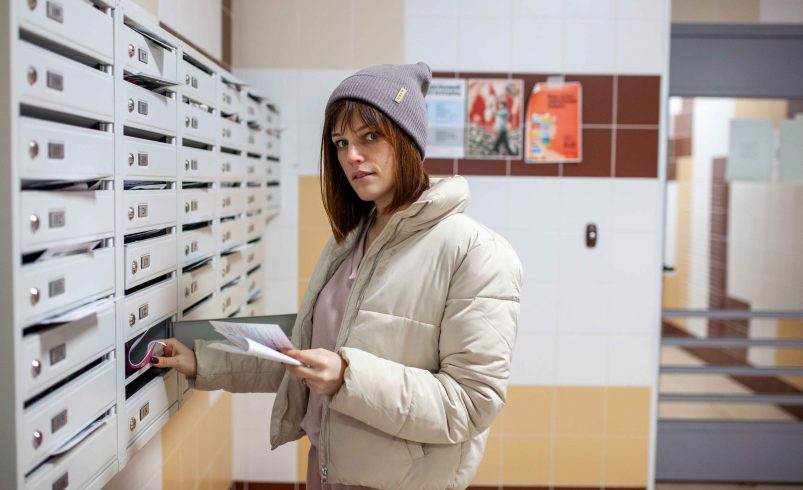
Mailbox Theft – Physical mail left in unlocked or easily accessible mailboxes can be stolen.
-
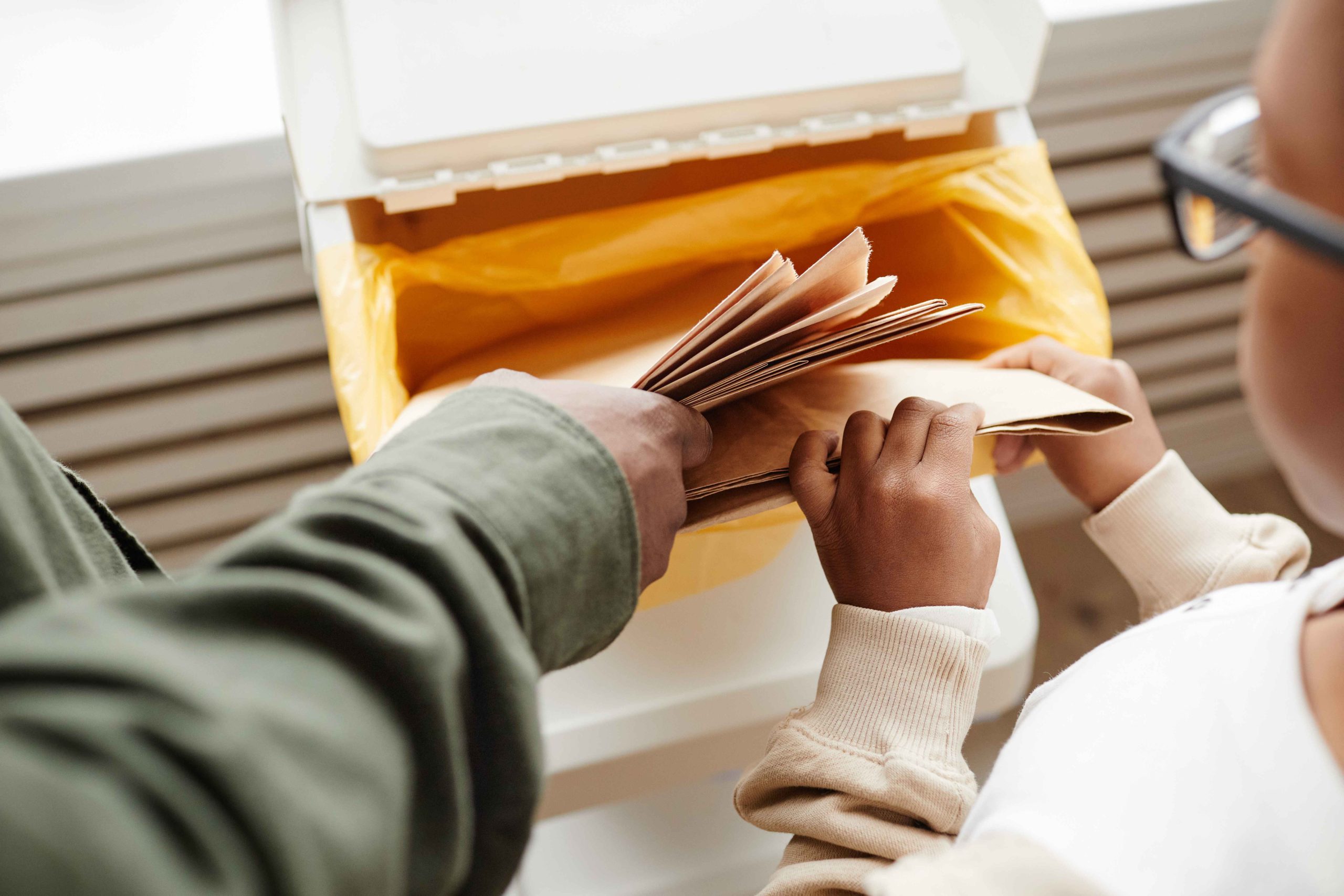
Dumpster Diving – Criminals often search through discarded mail for sensitive information.
-
Misdelivery – Mail sent to the wrong address or intercepted during transit may expose personal data.
-
Unsecured Storage – Holding mail at home while away on travel can leave sensitive items unprotected.
These risks highlight the importance of using professional mail services to secure personal and business correspondence.
How Mail Services Reduce Identity Theft Risks
1. Secure Physical Handling
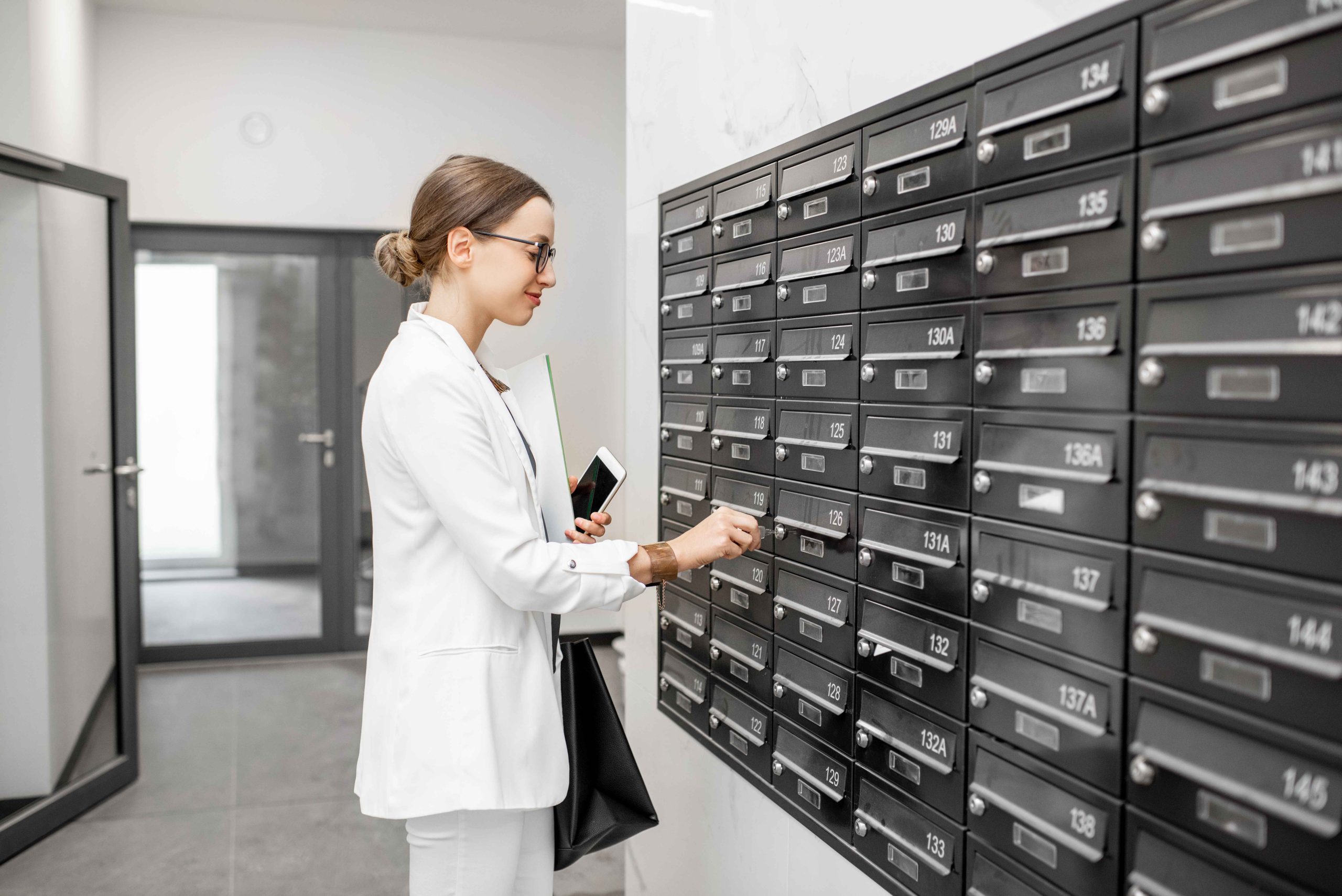
Professional mail services, including virtual mailbox providers, store mail in secure facilities with monitored access. Staff handling mail are trained in confidentiality, reducing the chance of unauthorized access. Security features often include:
By keeping mail off your doorstep or home mailbox, you limit exposure to theft.
2. Digital Scanning and Online Access
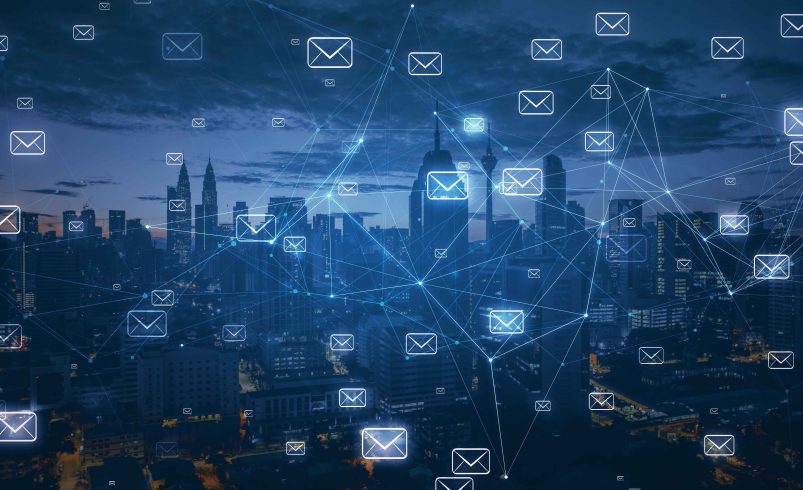
Mail scanning converts physical letters into secure digital copies accessible through an encrypted online portal. Users can:
This reduces the amount of physical mail in transit and the potential for it to be intercepted.
3. Shredding and Disposal Services
Unwanted or outdated mail containing sensitive information can be securely shredded on-site. This prevents documents from being retrieved from the trash or recycling, which is a common identity theft tactic known as dumpster diving.
4. Real-Time Notifications
Most virtual mailbox providers notify users instantly when mail arrives. Quick awareness allows immediate action on time-sensitive items, such as bills or banking statements, reducing the window for potential identity theft.
5. Masking Personal Addresses
Virtual mailboxes provide a real street address for receiving mail without exposing your home address. This is especially useful for:
By keeping your personal residence private, you reduce the chances of mail-based identity theft.
Best Practices for Using Mail Services to Protect Your Identity
To maximize security, follow these guidelines:
-
Choose a Reputable Provider – Look for USPS-authorized or verified virtual mailbox services with strong security protocols.
-
Use Mail Scanning and Selective Forwarding – Access mail digitally first, forwarding only essential documents.
-
Enable Strong Login Credentials and 2FA – Protect online portals with robust passwords and two-factor authentication.
-
Monitor Mail Regularly – Stay on top of bills, statements, and correspondence to detect unusual activity early.
-
Shred Sensitive Documents – Use the provider’s secure shredding services for unwanted mail.
Following these practices ensures that mail services act as an effective shield against identity theft.
Benefits for Businesses
Identity theft isn’t limited to individuals—businesses are also at risk. Mail services provide additional protections for businesses by:
-
Securing invoices, contracts, and financial documents
-
Centralizing mail for distributed teams
-
Maintaining digital records for compliance and audits
-
Reducing the risk of sensitive information falling into the wrong hands
By combining digital access with secure physical handling, businesses can protect both operational and customer data.
Combining Digital Mail With Forwarding
A hybrid approach often works best: scan all incoming mail first, then forward only essential originals. This method:
-
Reduces shipping costs
-
Limits physical items in transit
-
Keeps digital copies for record-keeping
-
Enhances identity protection
It’s particularly effective for travelers, remote workers, and expats who rely on reliable, secure mail handling.
Final Thoughts
Identity theft is a serious threat, but modern mail services provide effective strategies to reduce risks. Through secure storage, digital scanning, real-time notifications, and controlled forwarding, virtual mailboxes and professional mail handling solutions protect sensitive information and offer peace of mind.
Whether you’re an individual, frequent traveler, or business owner, using a trusted mail service is a proactive step in safeguarding your identity and maintaining control over your correspondence.
By combining security, convenience, and organization, modern mail services make it easier than ever to manage mail safely—protecting your personal and financial information in an increasingly connected world.