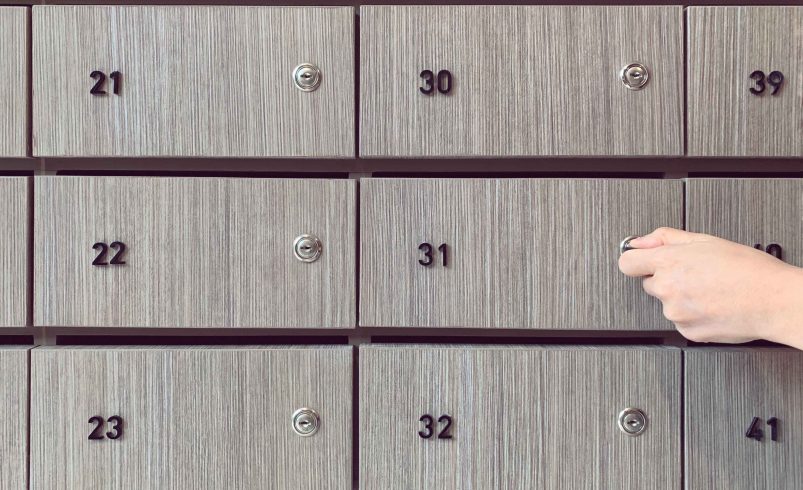
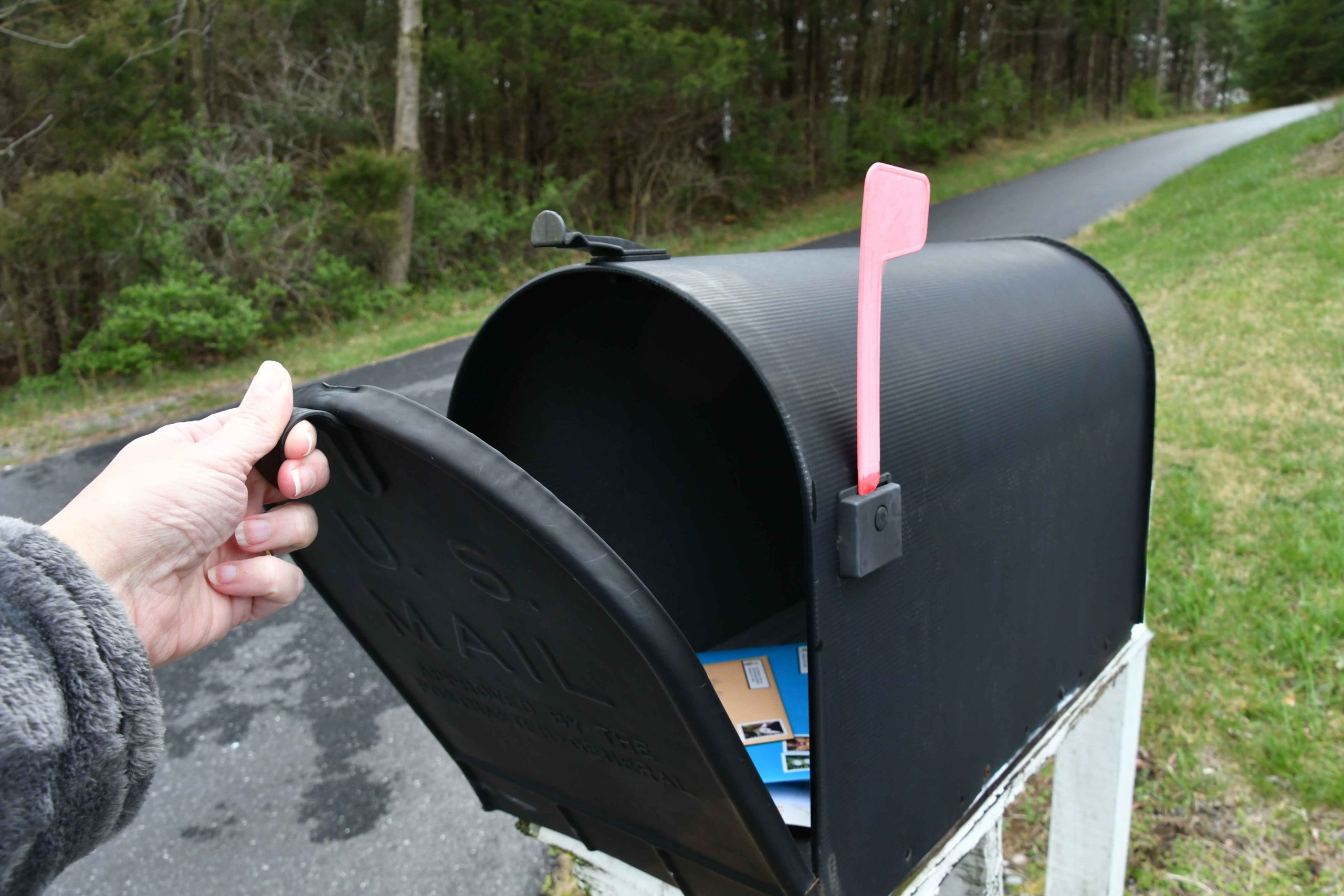
For decades, PO boxes have been a standard solution for individuals and businesses seeking a secure mailing address. They provide privacy, security, and a dedicated location for receiving mail. However, as technology and business practices evolve, the limitations of traditional PO boxes have become more apparent—particularly for modern businesses, freelancers, and remote workers.
Understanding these limitations can help you evaluate whether a traditional PO box is the right choice or if modern alternatives, like virtual mailboxes, might better suit your needs.
1. Limited Access and Convenience
One of the most significant drawbacks of a traditional PO box is restricted access.
-
PO boxes are typically located at post offices, which operate during set business hours.
-
You must physically visit the location to check mail, which can be inconvenient, especially if you travel frequently or have a busy schedule.
-
Many post offices do not offer 24/7 access, limiting your ability to retrieve time-sensitive documents quickly.
For individuals or businesses that need immediate access to correspondence, this limitation can be a significant inconvenience.
2. No Package Handling for All Carriers
Traditional PO boxes can receive mail from the postal service, but they have limitations when it comes to packages:
-
Many carriers, such as UPS, FedEx, and DHL, do not deliver to PO boxes.
-
Packages that exceed a certain size may be held at the post office and require a separate pickup process.
-
Receiving multiple packages from different carriers often requires juggling multiple locations.
This limitation can be especially challenging for e-commerce businesses, freelancers, or anyone who frequently receives parcels from various shipping services.
3. Lack of Digital Access and Notifications
Traditional PO boxes operate purely in the physical world:
-
There is no built-in way to receive notifications when mail arrives.
-
You cannot view scanned copies of letters, invoices, or packages remotely.
-
This lack of digital access can slow down decision-making, delay payments, or cause missed deadlines.
In contrast, modern virtual mailbox services provide real-time notifications and secure digital access, eliminating the need for constant trips to the post office.
4. Limited Professional Image
While a PO box provides a secure mailing address, it may not convey the same level of professionalism as a commercial business address:
-
Clients, partners, and vendors may perceive a PO box as less credible than a real street address.
-
PO boxes cannot be used to register a business in some jurisdictions or for certain services, like banking or legal documents.
For businesses looking to establish trust and credibility, relying solely on a PO box may be limiting.
5. Restricted Mail Services and Features
PO boxes provide basic mail storage, but they lack many services that modern mail solutions offer:
-
No scanning or digital archiving of mail
-
Limited options for mail forwarding
-
No integration with business tools or accounting software
This lack of flexibility can be cumbersome for businesses that handle high volumes of mail or need organized record-keeping.
6. Size Constraints
PO boxes come in predefined sizes, which may not meet the needs of growing businesses:
-
Larger mail items or bulky packages may not fit, requiring additional arrangements.
-
Expanding storage often means renting multiple boxes or additional units, increasing costs.
Businesses that receive diverse correspondence or packages may find this particularly restrictive.
7. Cost Considerations
While PO boxes are often considered affordable, costs can add up:
-
Higher fees for larger boxes
-
Additional charges for extra keys or services
-
Possible annual rental fees that don’t scale with actual usage
When factoring in these costs alongside the limitations, traditional PO boxes may not provide the best value for businesses that rely heavily on mail and package services.
Final Thoughts
Traditional PO boxes have served individuals and businesses well for decades, providing a simple, secure, and private way to receive mail. However, their limitations—restricted access, carrier restrictions, lack of digital features, and professional image constraints—make them less suited for modern business needs.
For individuals, freelancers, and businesses seeking flexibility, immediate access, and enhanced mail management, alternatives like virtual mailboxes offer significant advantages. These solutions provide digital access, package handling, mail forwarding, and a professional street address, allowing businesses to operate efficiently and maintain credibility in an increasingly remote and digital world.
Ultimately, understanding the limitations of traditional PO boxes helps you make informed decisions and select the mail solution that best fits your personal or business needs.