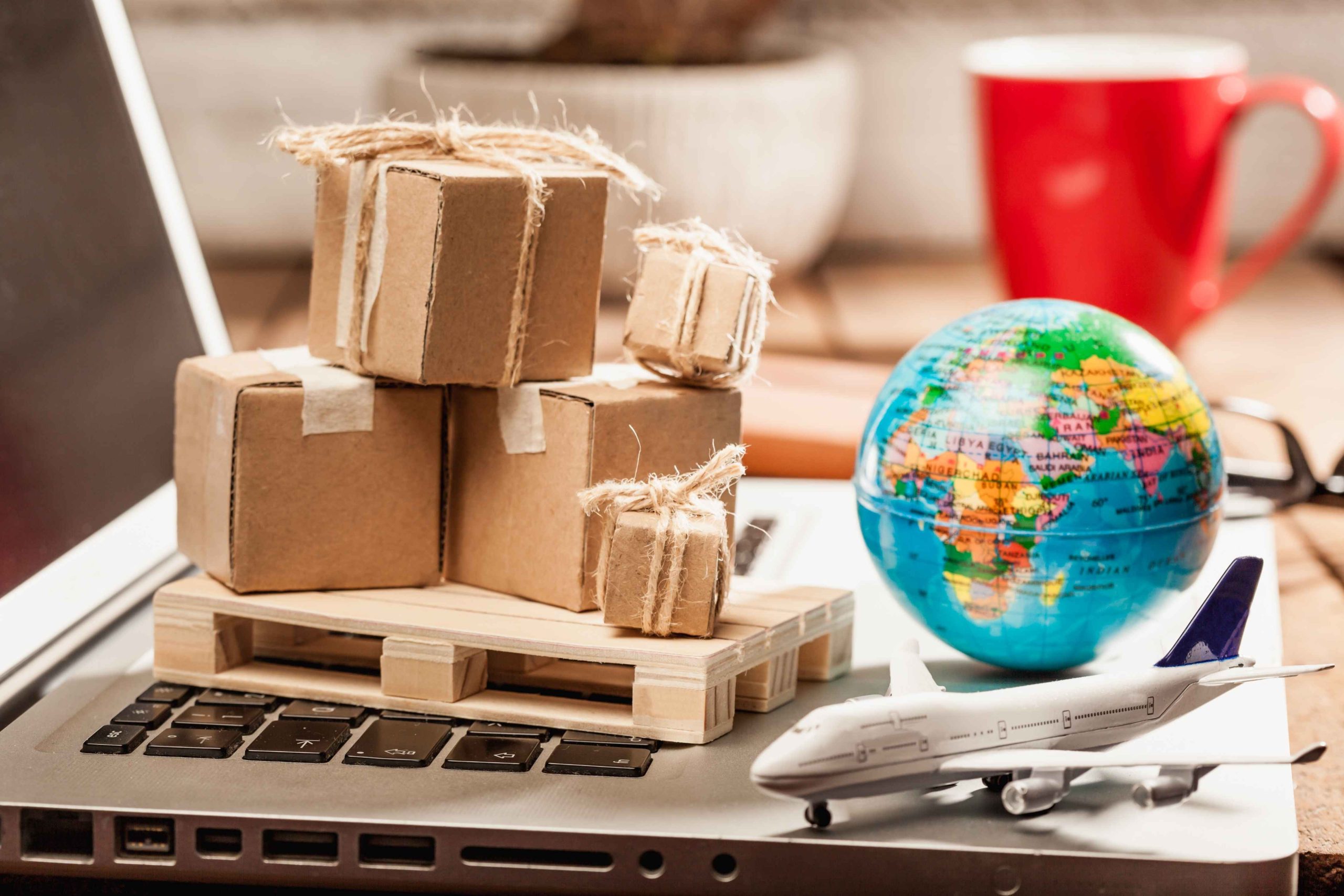
In today’s flexible work environment, many professionals balance remote work, freelancing, side projects, or even running a small business from home. While this flexibility offers freedom, it also introduces a critical challenge: managing mail effectively. Mixing personal and work correspondence can lead to missed deadlines, lost documents, and even privacy concerns.
Keeping personal and work mail separate is not just about organization—it’s about maintaining professionalism, protecting sensitive information, and streamlining communication. Whether you’re a home-based entrepreneur, a remote worker, or someone managing multiple responsibilities, separating your mail is essential for efficiency and security.
Why Separation Matters
There are several reasons why keeping personal and work mail distinct is important:
-
Preventing Confusion and Errors
When personal and professional mail are mixed, it’s easy to overlook urgent bills, contracts, or legal notices. Clear separation ensures that important work documents don’t get buried under personal correspondence, and vice versa.
-
Enhancing Professionalism
Using a dedicated address for business correspondence, rather than a personal home address, communicates reliability and professionalism to clients, vendors, and partners. It also reduces the risk of sensitive business information being exposed to household members or visitors.
-
Improving Organization
Separating mail allows for efficient filing, scanning, and archiving. Digital or physical organization is easier when each type of correspondence has a clear place.
-
Protecting Privacy and Security
Personal mail often contains sensitive information like bank statements, medical documents, or subscription details. Business mail may include contracts, invoices, or confidential client information. Keeping them separate minimizes the risk of accidental disclosure or identity theft.
Strategies for Keeping Mail Separate
1. Use a Dedicated Work Address
A professional mailing address is crucial for business correspondence. Options include:
-
Virtual Mailboxes – Receive and scan business mail at a secure address, accessible online from anywhere.
-
PO Boxes – Provide a simple way to separate business mail from home mail.
-
Coworking or Shared Office Mail Services – Ideal for freelancers or small businesses needing a professional presence.
Having a dedicated work address ensures all business mail is centralized and handled securely.
2. Digitize Your Mail
Digital mail management makes it easier to separate personal and work correspondence. Many virtual mailbox services scan incoming mail and upload it to a secure online portal. This allows you to:
-
Review business and personal mail separately
-
Download and archive documents efficiently
-
Forward essential items selectively
-
Reduce clutter and manage both types of mail remotely
3. Separate Physical Storage
If you still handle physical mail, designate separate trays, folders, or filing cabinets for personal and work mail. Label each clearly and review them regularly to prevent backlog.
4. Automate Forwarding and Notifications
For remote workers or travelers, use mail forwarding services to route business correspondence to a dedicated address. Enable notifications for incoming work mail to ensure timely action without sifting through personal mail.
5. Establish Routine Mail Checks
Set aside specific times to process personal and work mail separately. Regular review prevents overdue invoices, missed deadlines, and lost correspondence. For example, check personal mail in the morning and business mail in the afternoon, or vice versa, depending on your schedule.
Benefits of Separation
Separating personal and work mail offers multiple advantages:
-
Efficiency – Streamlined processes save time and reduce stress.
-
Accuracy – Reduces the risk of overlooking important work tasks or personal obligations.
-
Compliance – Helps maintain accurate records for tax purposes, legal filings, or business reporting.
-
Security – Protects sensitive information from accidental exposure or misplacement.
-
Professional Image – A dedicated business address and organized mail management reflect credibility and reliability.
For individuals managing multiple responsibilities or working remotely, these benefits are invaluable for maintaining productivity and peace of mind.
Best Practices
-
Label Clearly – Use consistent labels for personal and work mail.
-
Use Secure Services – Virtual mailboxes and mail scanning services protect sensitive correspondence.
-
Archive and Shred – Keep important documents organized digitally or physically and shred unnecessary items securely.
-
Communicate Your Address – Use your business address exclusively for clients, vendors, and official registrations, while personal mail stays at your home or personal mailbox.
By following these best practices, you ensure that all mail—personal or work-related—is handled safely, efficiently, and professionally.
Final Thoughts
Keeping personal and work mail separate is a simple but essential habit for anyone managing multiple responsibilities or working remotely. A dedicated mailing address, digital management tools, organized physical storage, and consistent routines help prevent confusion, protect sensitive information, and maintain a professional image.
Whether you’re a freelancer, remote employee, or small business owner, separating personal and work correspondence ensures efficiency, accuracy, and peace of mind. In today’s dynamic work environment, organized mail management is not just a convenience—it’s a critical tool for productivity and professionalism.