Mail forwarding has become an essential service for individuals and businesses who move frequently, travel often, or operate remotely. Whether you’re relocating within the same country or living abroad, mail forwarding ensures that important correspondence reaches you wherever you are.
However, not all mail forwarding works the same way. Understanding the key differences between domestic and international mail forwarding can help you choose the right option, control costs, and avoid delays.
What Is Mail Forwarding?
Mail forwarding is a service that redirects your mail from one address to another. This can be done through postal services or private mailbox providers such as virtual mailboxes and Commercial Mail Receiving Agencies (CMRAs).
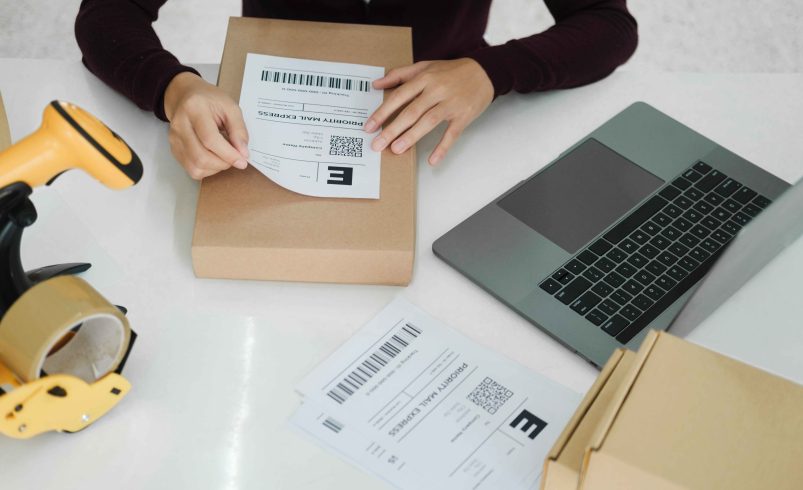
Mail is received at a primary address, then shipped to your chosen destination either automatically or upon request.
Domestic Mail Forwarding
Domestic mail forwarding refers to forwarding mail within the same country—such as moving from one state to another or sending mail from a virtual mailbox to a home or office address.
Key Benefits of Domestic Forwarding
Faster Delivery Times
Mail usually arrives within a few days, depending on shipping method and distance.
Lower Costs
Domestic shipping rates are significantly cheaper than international postage.
Fewer Restrictions
Most documents and packages can be forwarded easily without customs requirements.
Reliable Tracking
Tracking services are widely available and accurate within national postal systems.
Best Uses for Domestic Forwarding
Domestic forwarding is ideal for those who still reside in the same country but want flexibility in receiving mail.
International Mail Forwarding
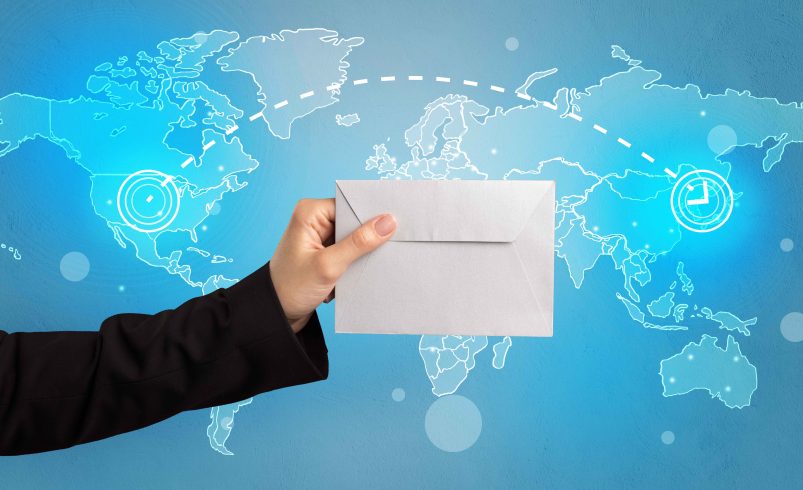
International mail forwarding involves sending mail from one country to another. This is common among expats, digital nomads, international students, and global business owners.
Key Benefits of International Forwarding
Global Accessibility
Receive mail no matter where you live in the world.
Mail Stability
Maintain a permanent mailing address in your home country while abroad.
Professional Presence
Businesses can retain a domestic address for customer correspondence.
Challenges of International Forwarding
Higher Shipping Costs
International postage can be expensive, especially for frequent shipments.
Customs Delays
Mail may be inspected by customs, causing delays.
Restrictions on Certain Items
Some documents or packages may be restricted or require declarations.
Longer Delivery Times
International shipments can take days to weeks depending on destination.
Comparing Domestic and International Forwarding
| Feature |
Domestic Forwarding |
International Forwarding |
| Delivery Speed |
Fast |
Slower |
| Cost |
Low to moderate |
Higher |
| Customs |
None |
Required |
| Restrictions |
Minimal |
Varies by country |
| Best For |
Local moves, businesses |
Expats, travelers |
When to Choose Domestic Forwarding
Choose domestic forwarding when:
-
You live within the same country
-
You need quick access to original documents
-
You’re temporarily relocating
-
You receive packages regularly
It’s cost-effective and efficient for most everyday mail needs.
When to Choose International Forwarding
Choose international forwarding when:
-
You live or work abroad
-
You need access to mail from your home country
-
You operate an international business
-
You want a permanent mailing address
Pairing international forwarding with mail scanning often saves money by forwarding only essential documents.
Smart Strategy: Combine Scanning With Forwarding
The most efficient approach—especially for international users—is to scan all mail first. Once you review it digitally, you can:
This reduces shipping costs and avoids unnecessary delays.
Final Thoughts
Both domestic and international mail forwarding offer valuable solutions depending on your lifestyle and location. Domestic forwarding provides speed and affordability, while international forwarding ensures global access and continuity of mail service.
By understanding their differences and combining forwarding with mail scanning when needed, you can create a flexible, efficient mail management system that fits your personal or business needs—no matter where you are in the world.