Common Mail Scams and How to Avoid Them:
- January 29, 2024
- 0
Receiving mail is usually a routine part of daily life. Bills, letters, packages, and official notices all pass through your mailbox without incident. However, not all mail is
Receiving mail is usually a routine part of daily life. Bills, letters, packages, and official notices all pass through your mailbox without incident. However, not all mail is
Receiving mail is usually a routine part of daily life. Bills, letters, packages, and official notices all pass through your mailbox without incident. However, not all mail is trustworthy. Mail scams are increasingly common, targeting individuals and businesses to steal personal information, money, or sensitive data. Recognizing these scams and knowing how to avoid them is essential to protect your identity and finances.
Mail scams involve fraudulent correspondence designed to trick recipients into taking action that benefits the scammer. Scammers often exploit trust in official-looking letters, bills, or notices. Common tactics include:
Fake bills or invoices demanding immediate payment
Phishing letters asking for personal information like Social Security numbers or bank details
Lottery or prize scams claiming you’ve won and must pay fees to collect
Charity scams soliciting donations for non-existent causes
Package interception or delivery notices prompting you to provide payment or personal data
Mail scams can be highly convincing, often appearing legitimate with official logos, realistic formatting, and professional language.
Falling for a mail scam can have serious consequences:
Identity theft, including misuse of Social Security numbers, credit cards, or bank accounts
Financial loss from paying fake invoices or fees
Damage to credit scores and personal or business reputation
Legal complications if fraudulent activity involves business correspondence
The risk is compounded if scammers access sensitive information through physical mail left unattended in insecure mailboxes.
Unexpected Bills or Invoices – If you receive a bill from a company you’ve never done business with, it could be a scam.
Urgent or Threatening Language – Scammers pressure recipients to act quickly to avoid penalties or “legal consequences.”
Requests for Sensitive Information – Legitimate organizations rarely request Social Security numbers, passwords, or bank account details via mail.
Suspicious Return Addresses – Letters that claim to be official but have unusual addresses or mismatched ZIP codes may be fraudulent.
Unsolicited Prize Notices – Notifications claiming you’ve won money or a prize that requires a fee upfront are almost always scams.
1. Use a Secure Mailbox
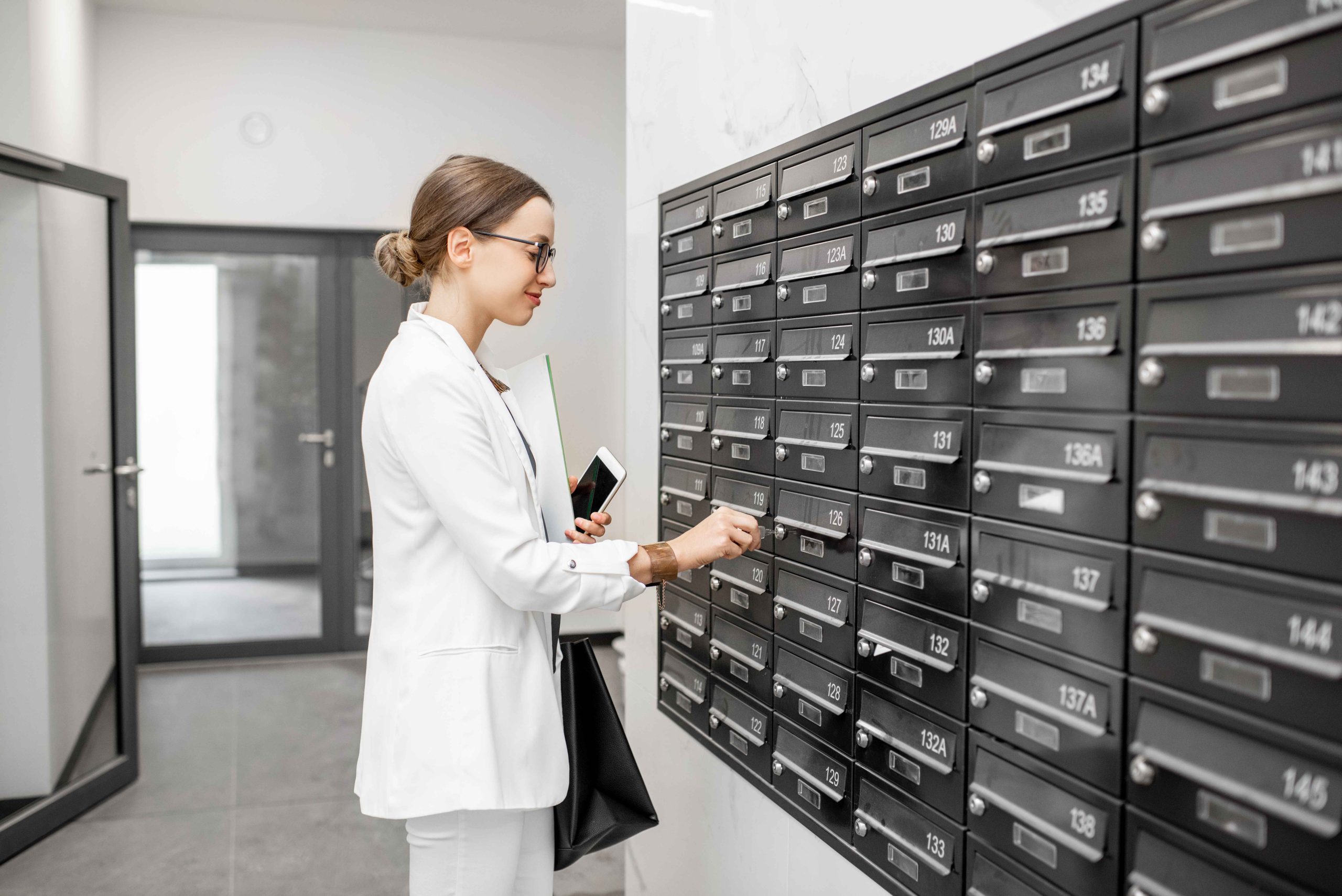
A virtual mailbox or professional mail service provides a secure facility for receiving mail. Trained staff handle mail carefully, reducing the risk of theft and tampering. Digital scanning lets you view mail online without exposing sensitive information in a physical mailbox.
2. Verify the Sender
Before responding to unexpected mail, verify the sender. Contact the organization directly using contact information from their official website, not what’s provided in the letter.
3. Be Cautious with Personal Information
Never provide Social Security numbers, bank details, passwords, or other sensitive data in response to unsolicited mail. Legitimate organizations do not request this information through unsecure mail.
4. Report Suspicious Mail
If you suspect a scam, report it to the United States Postal Inspection Service (USPIS) or your local authorities. Reporting helps prevent others from falling victim to similar schemes.
5. Use Digital Mail Services
Virtual mailboxes allow you to scan all mail and review it online. You can forward only legitimate items, securely shred suspicious mail, and maintain an organized digital archive. This approach prevents scammers from gaining access to your personal information.
6. Educate Yourself and Household Members
Awareness is one of the most effective ways to prevent scams. Teach family members or employees how to recognize fraudulent mail and what steps to take if suspicious correspondence arrives.
Virtual mailboxes provide multiple layers of protection:
Secure Receipt – Mail never sits unattended in your home mailbox.
Digital Screening – Scanned mail allows you to quickly identify suspicious content without handling it physically.
Selective Forwarding – Only trusted mail is forwarded, reducing exposure to scams.
Archiving – Digital storage keeps a record of all correspondence for verification or reporting purposes.
By combining these features, virtual mailboxes act as a buffer between you and potential mail scams.
Mail scams are increasingly sophisticated, targeting both individuals and businesses. By understanding the common tactics used by fraudsters and implementing precautions, you can significantly reduce your risk of financial loss, identity theft, and other negative consequences.
Using secure mail services, verifying senders, avoiding sharing sensitive information, and maintaining vigilance are key strategies for staying safe. Whether through a virtual mailbox or careful handling of physical mail, proactive measures can protect your identity and finances, giving you peace of mind in an age where mail fraud is a real threat.