In today’s fast-paced world, managing legal and financial mail is a critical responsibility for both individuals and businesses. Letters from banks, credit card statements, tax documents, court notices, and contracts often contain highly sensitive information. Mishandling these documents can lead to identity theft, fraud, missed deadlines, or legal complications. Ensuring the secure management of these types of mail is not just about convenience—it’s about protecting your personal and professional life.
Fortunately, modern mail services, particularly virtual mailboxes, provide solutions that combine digital access, security, and convenience, helping recipients manage sensitive correspondence safely and efficiently.
Why Legal and Financial Mail Requires Extra Care
Legal and financial mail typically contains information such as:
-
Social Security numbers
-
Bank and credit account details
-
Tax and investment statements
-
Court notices and legal filings
-
Contracts, agreements, and invoices
If this information is exposed, lost, or intercepted, it can result in:
-
Identity theft or financial fraud
-
Missed legal deadlines
-
Unauthorized access to business accounts or contracts
-
Compromised financial planning and records
This makes secure handling essential for both personal and professional correspondence.
Key Strategies for Secure Handling
1. Use a Secure Mail Receiving Address
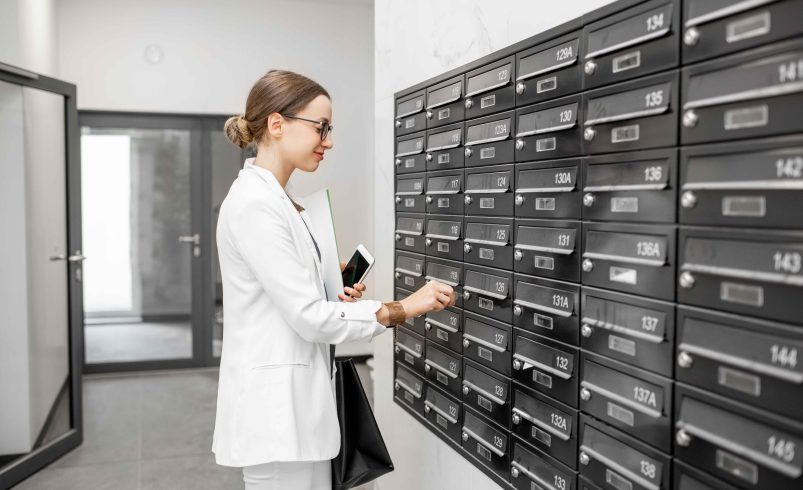
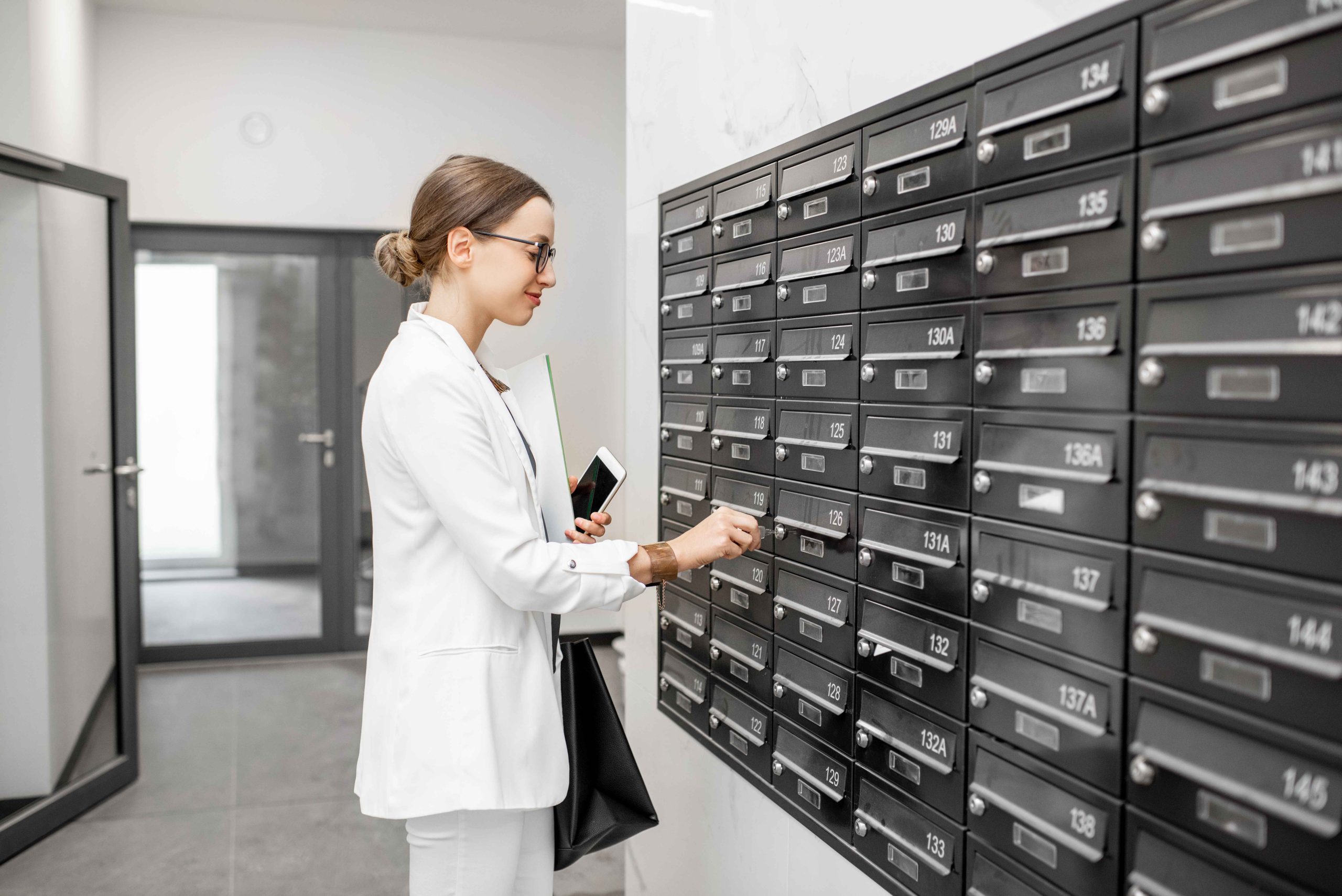
Traditional home mailboxes are vulnerable to theft or tampering. Virtual mailbox services provide real street addresses where mail is received securely. Professional staff handle your documents in monitored facilities, reducing the risk of unauthorized access.
2. Digital Scanning for Immediate Access
Once received, legal and financial mail can be scanned and uploaded to a secure online portal. Digital access allows you to:
-
Review documents instantly
-
Download copies for secure storage
-
Share relevant documents with authorized individuals
-
Forward only the items you truly need physically
Digital scanning prevents sensitive mail from sitting unattended in mailboxes, reducing exposure to fraud and theft.
3. Notifications and Real-Time Alerts
Virtual mailbox services typically provide email or app notifications when new mail arrives. Real-time alerts are especially valuable for legal or financial documents that require prompt attention, such as court deadlines, overdue bills, or account updates.
4. Controlled Forwarding
Only forward physical copies of mail when absolutely necessary. Using secure shipping options with tracking ensures that sensitive documents reach their intended destination safely.
5. Secure Shredding and Disposal
Unneeded legal and financial documents should never be discarded in regular trash. Professional mail services offer secure shredding, ensuring that confidential information cannot be retrieved by unauthorized parties.
Best Practices for Individuals
For personal legal and financial mail:
-
Verify all sources before acting on bills or legal notices to avoid scams.
-
Use strong passwords and two-factor authentication for online portals where digital copies are stored.
-
Maintain organized digital archives for easy reference and tax preparation.
-
Limit physical copies in transit to reduce exposure to theft.
-
Regularly review your scanned mail to ensure timely response to important documents.
By following these practices, individuals can reduce risk while maintaining full access to critical correspondence.
Best Practices for Businesses
Businesses face even greater risks due to the volume and sensitivity of mail. Secure handling practices include:
-
Centralized Mail Management – Collect and manage all legal and financial correspondence through a virtual mailbox or secure facility.
-
User Permissions – Restrict access to scanned documents to authorized personnel.
-
Audit Trails – Maintain logs of who accessed, forwarded, or downloaded documents.
-
Digital Archiving – Store financial statements, contracts, and regulatory documents securely for compliance and reference.
-
Selective Forwarding – Forward only essential originals, reducing risk of loss or tampering during transit.
These measures protect confidential business information, minimize exposure, and support compliance with legal and regulatory obligations.
Advantages of Virtual Mail Services
Virtual mailboxes provide multiple layers of protection for legal and financial mail:
-
Security – Controlled access, surveillance, and professional staff reduce physical theft risk.
-
Convenience – Access mail anywhere, anytime, without waiting for physical delivery.
-
Organization – Digital archives allow for efficient searching, labeling, and storage.
-
Compliance Support – Helps meet requirements for recordkeeping and document retention.
-
Risk Reduction – Reduces chances of identity theft, fraud, and misdelivery.
By combining secure handling with digital access, virtual mailbox services provide a comprehensive solution for managing sensitive correspondence.
Final Thoughts
Handling legal and financial mail securely is essential to protecting your identity, finances, and legal obligations. By leveraging modern mail services, particularly virtual mailboxes, individuals and businesses can safely manage correspondence, reduce the risk of theft or fraud, and maintain organized digital records.
Whether for personal bills and legal notices or sensitive business documents, adopting secure mail handling practices ensures peace of mind, compliance, and control. In an era where mail fraud and identity theft are real threats, taking proactive steps to protect your legal and financial correspondence is both prudent and necessary.